No products in the cart.: ₹0.00
A Tradition That Is Part of Daily Life
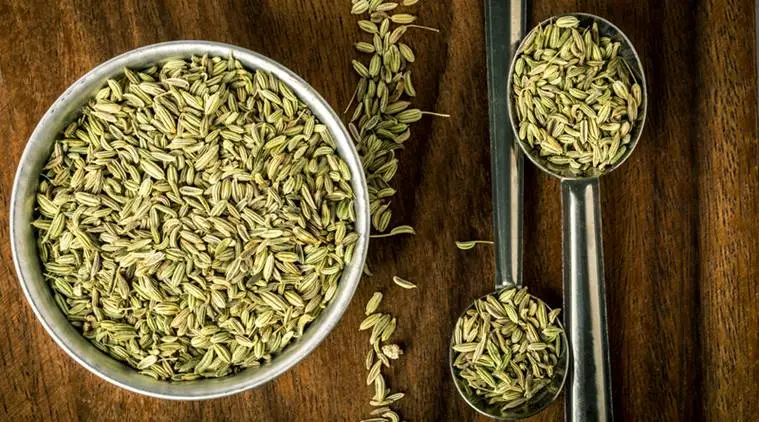
Fennel Seeds have been used in cooking and old practices in India, the Middle East, and the Mediterranean for thousands of years. Unlike superfoods that become popular overnight, Fennel Seeds have become a part of people’s lives through daily use.
A time ago, meals were often big, festive, and had a lot of spices. People found that eating a few Fennel Seeds after a meal made their mouth feel fresh and the meal feel complete. Over time, what started as a habit became a loved tradition.
Today, many families still do this simple thing—not because it’s trendy, but because it’s part of their dining culture.
The Refreshing End to Every Meal
One of the best things about Fennel Seeds is their naturally sweet, slightly licorice-like flavor. After a meal rich in garlic, onions, or heavy spices, eating Fennel Seeds leaves a pleasant aftertaste.
Their nice smell has made them a popular natural mouth freshener for ages. Long before breath mints were common, Fennel Seeds were the go-to way to freshen the mouth after eating. This refreshing quality is one of the main reasons Fennel Seeds are still prominently found at restaurants, weddings, and family gatherings.
Why People Like to Eat Fennel Seeds After Meals
Although everyone’s body is different, Fennel Seeds have long been associated with a light, comfortable feeling after eating.
Many people like to eat Fennel Seeds because they:
- Add a sweet finish to a savory meal.
- Help people eat slowly and mindfully after dinner.
- Leave the mouth feeling clean and fresh.
- Are easy to carry and don’t need any preparation.
- Align naturally with traditional food culture.
It’s worth remembering that these old uses don’t mean Fennel Seeds can cure medical problems. Instead, they have been enjoyed as a simple, delightful dietary habit.
More Than a Spice
It’s easy to think of Fennel Seeds as just another spice in the kitchen cabinet, but they are actually remarkably versatile.
Fennel Seeds are commonly used in:
- Herbal teas
- Spice blends
- Pickles
- Baked goods
- Desserts
- Digestive seed mixes
Their mild sweetness pairs well with both savory and sweet recipes, making them a useful ingredient in kitchens around the world.
The Nutritional Side of Fennel Seeds
Although Fennel Seeds are usually eaten in small amounts, they contain plant compounds, dietary fiber, and essential oils that scientists are still actively studying.
They also contain essential nutrients, including:
- Calcium
- Potassium
- Iron
- Magnesium
- Vitamin C
Because they are typically eaten in small portions, they shouldn’t be considered a major primary source of nutrients. However, they are a wonderful minor contributor to a balanced diet.
A Habit That Encourages Mindful Eating
These days, people often eat quickly. Many of us finish eating while looking at our phones or rushing back to work.
Eating Fennel Seeds after a meal creates a natural pause. It signals that the meal is over and gives you a moment to slow down before moving on with your day. This simple habit may seem small, but it’s one of the main reasons it has survived for so long—sometimes traditions stay because they encourage healthy everyday routines.
Fennel Seeds in Herbal Tea
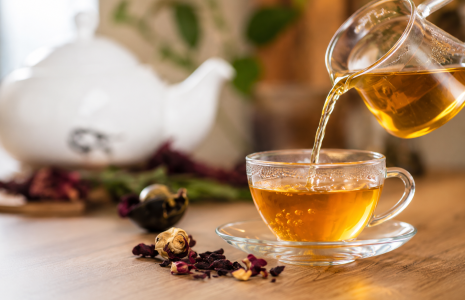
One of the most popular ways people enjoy Fennel Seeds today is in herbal tea.
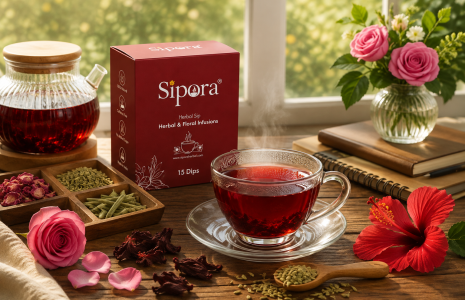
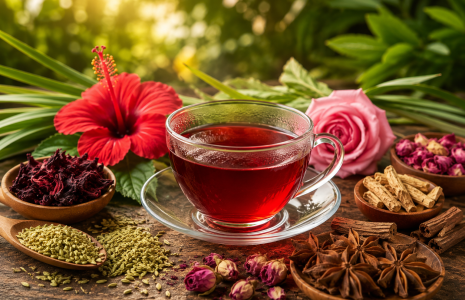
When combined with ingredients like hibiscus, damask rose, lemongrass and other herbs, Fennel Seeds add their sweet and aromatic character without overpowering the blend.
Rather than being consumed on its own, Fennel Seeds often work alongside other herbs to create a comforting beverage that many people enjoy after meals or during a relaxing break.
Bringing Tradition Into Modern Life
Many traditional ingredients are still widely used today, especially when combined in herbal blends.
Fennel Seeds are paired with complementary ingredients like hibiscus, damask rose, and lemongrass to create a naturally caffeine-free herbal tea experience.
Instead of relying on a single ingredient, the blend celebrates the old tradition of combining complementary herbs that people have enjoyed for generations. Whether you’re winding down after dinner or looking for a flavorful drink during the day, a herbal tea made with traditional ingredients can become a pleasant part of your daily routine.
Should Everyone Eat Fennel Seeds?
Fennel Seeds are commonly used as an ingredient and are generally well-tolerated when enjoyed in moderate amounts.
However, individuals who are pregnant, breastfeeding, have allergies, take medications, or have existing health concerns should talk to a healthcare professional before making significant changes to their diet or regularly consuming herbal products.
As with any herb or spice, moderation is key.
A Tradition That Still Makes Sense
Some traditions disappear over time. Others stay because they fit naturally into life.
The habit of eating Fennel Seeds after meals isn’t complicated or based on grand promises. It’s a custom that combines refreshing flavor, cultural heritage, and enjoyable eating habits.
Whether you eat Fennel Seeds straight after a meal or enjoy them as part of a warm herbal tea, they remind us that sometimes the smallest traditions are the ones that last the longest.
Disclaimer
This article is for educational and informational purposes only and should not be considered medical advice. Fennel Seeds and herbal teas are not intended to diagnose, treat, cure, or prevent any disease. Individual responses may vary. If you have a medical condition, are pregnant or breastfeeding, have allergies, or take prescription medications, consult a qualified healthcare professional before making changes to your diet or herbal intake.